




Buying for a music producer is harder than it looks. They already own the obvious things, they have firm opinions about the things they don't own, and "I'd love a new synth" can mean anything from a cheap app to a piece of hardware costing as much as a used car. The trick is to aim at the gaps: the dull accessories that wear out, the small upgrades that make daily work easier, and the bits they'd never buy for themselves. Here are ideas across the budget range, plus a few notes on avoiding an awkward return in January.
Small gifts that get used every week
Accessories are unglamorous, which is exactly why they work as presents. Nobody puts "a decent USB hub" on a wish list, but everyone notices when theirs fails mid-session. Reliable options include:
- Cable upgrades. Balanced jack leads, XLRs and short patch cables for a rack. Buy the length they actually need rather than the longest one on the shelf.
- Adapters and dongles. 3.5mm to 6.3mm jack adapters, jack-to-XLR leads, MIDI DIN to TRS adapters, USB-C to USB-A. Cheap to buy, painful to be without.
- Replacement ear pads and headphone cables. Pads flatten over time and change the sound, so this is the cheapest way to make old headphones feel new again.
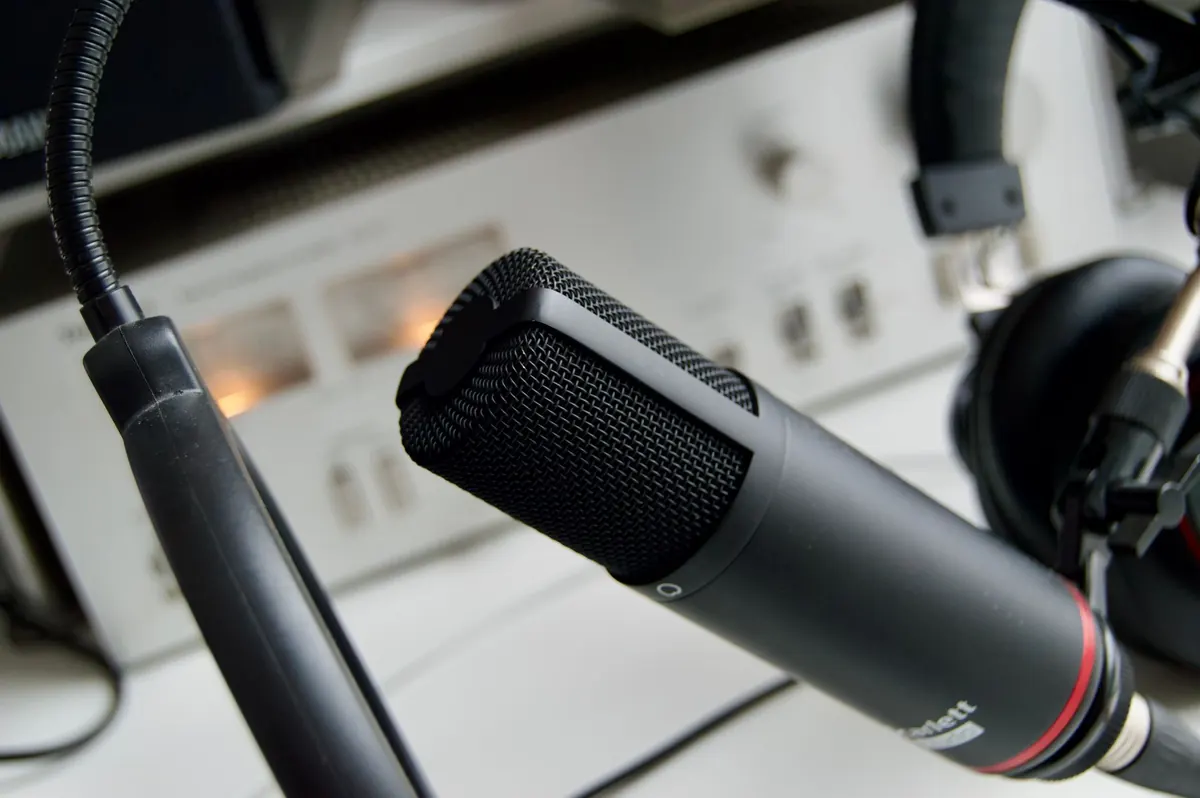
- Pop filter, mic clips and a spare stand thread adapter. Dull, essential, and always going missing.
- Storage. A fast external SSD for sample libraries, or spare SD cards if they use a field recorder or hardware sampler.
- Small comforts. A magnetic cable tidy, a label maker for a patch bay, or a notebook that stays on the desk for session notes.
Sounds, software and subscriptions
Digital gifts are easy to send and easy to get wrong. Before buying, check three things: whether the licence can be transferred to their account, whether it runs on their computer and operating system, and whether the seller offers a gift code or voucher rather than a licence tied to your own account.
Sample packs and loop libraries are a strong choice when you know their genre. Drum libraries, orchestral collections and vocal packs tend to stay useful for years, while novelty plug-ins often get used twice and forgotten. If you're unsure, a voucher for a plug-in store or a sample service lets them choose.
Subscriptions suit a gift budget well: a year of a sample service, cloud storage for project backups, or a plug-in plan they'd never start themselves. Just don't sign them up for something that renews automatically without telling them. A gift that quietly charges their card next December isn't a gift.
An upgrade to their DAW is worth considering only if you know exactly which version they run. That's the one digital purchase where guessing goes wrong fastest, so ask first.
Headphones and monitoring
Producers rarely have too many pairs of headphones. Closed-back models are for tracking and noisy rooms, open-back for mixing detail, and a cheap spare pair is always handy for checking a mix on something ordinary.
If they already own good headphones, look at the parts around them: replacement pads, a stand, or a longer extension cable so they can move about the room. In-ear monitors are a bigger purchase where fit matters more than the spec sheet, so a voucher plus a fitting appointment beats a surprise.
For anyone who plays live, decent earplugs are a genuinely thoughtful gift. Musicians are notoriously careless about levels, and hearing damage doesn't reverse. If you're worried about someone's hearing, encourage them to see an audiologist rather than self-diagnosing.
Controllers, interfaces and hardware
A MIDI keyboard is one of the safest larger gifts if you know their setup. Twenty-five keys suits a cramped desk, forty-nine or sixty-one suits someone who plays properly, and keybed feel matters more than the number of knobs. If they already have a keyboard, a pad controller or a small fader bank adds hands-on control without taking over the desk.
Audio interfaces are common upgrade territory. Two inputs and two outputs covers most home setups; more inputs matter when tracking drums or a band. Check which connection their computer uses, and whether the unit needs its own power supply.
Beyond that, think about what they complain about. A DI box for reamping guitars, a small desktop synth, a monitor controller, or a rack shelf for gear currently living on the floor. Second-hand hardware can be excellent value, provided you confirm it works before money changes hands and check whether any bundled software licence transfers with it.
The room, the desk and the body
Most home studios improve more from a treated corner than from another plug-in. Acoustic panels and bass traps at the first reflection points and in corners make monitoring more trustworthy. Monitor isolation pads, desk stands angled towards their ears, and a rug on a hard floor all help in smaller ways.
Then there's the furniture nobody thinks of as a gift. A chair that supports them through a long mixing session. A lamp with warm and cool settings for late evenings. Cable trunking so the floor stops being a trip hazard. A keyboard tray if the desk sits too high. None of it is exciting, and that's fine — these are the things that get used daily.
Encourage sensible listening levels and regular breaks, too. Ears tire quickly, and decisions made at the end of a loud session are rarely the good ones.
Gifts that aren't gear
Studio time in a proper room, an afternoon with an engineer, or a mastering credit for a finished track can be worth more than another pedal. A short course on mixing, a well-regarded book on production or the music business, or a voucher for a local instrument shop all land well.
Practical support counts too: an external drive set up for automatic backups, a cloud storage subscription, or simply a promise to leave them alone for an evening while they finish something. If they release music, printed lyric sheets or a run of merch for a launch can be genuinely useful.
Before you buy
Ask one question before you spend anything: "What have you been meaning to get for the studio?" You'll usually get a better answer than any list can give, and you'll avoid buying the third set of the same cables.
Keep the receipt and check the return window. Online orders in the UK generally come with a right to cancel for fourteen days from delivery, though digital downloads and custom items often sit outside that, so read the retailer's terms rather than assuming. If you buy second-hand, test before paying and agree in advance what happens if it fails.
And don't overthink the surprise. A producer who receives a well-chosen accessory, a voucher they'll actually spend, or a few quiet hours to finish a track will be happier than one unwrapping a mystery box they have to pretend to understand.
Photo: karosieben / Pixabay